What happened
On 8 February 2021 Tesla filed its annual report for 2020 with the Securities and Exchange Commission. The filing discloses that in January the company updated its investment policy to permit "certain specified alternative reserve assets", naming digital assets, gold bullion and gold exchange-traded funds, and that "we invested an aggregate $1.50 billion in bitcoin under this policy".
The same document states that Tesla expects "to begin accepting bitcoin as a form of payment for our products in the near future, subject to applicable laws and initially on a limited basis, which we may or may not liquidate upon receipt".
What it changes
A company of this size moving operating cash into bitcoin is new, and the 10-K is careful about the framing: the policy covers cash not required to maintain adequate operating liquidity, not the working capital of the business.
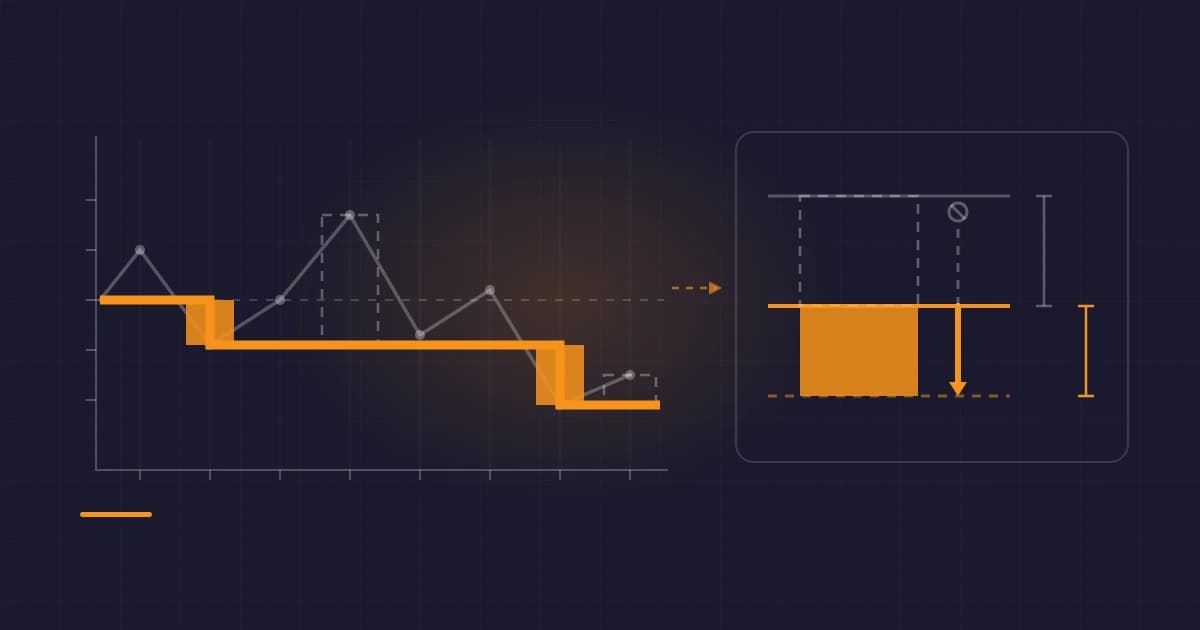
The part worth reading slowly is the accounting, because the filing describes it plainly. Tesla says it accounts for digital assets as indefinite-lived intangible assets under ASC 350, recorded at cost and "subsequently remeasured on the consolidated balance sheet at cost, net of any impairment losses incurred since acquisition". The test is run every quarter against "the lowest price quoted in the active exchanges during the period", so a single low print anywhere inside a quarter is enough to force a writedown.
The consequence is stated in the company's own words: "any decrease in their fair values below our carrying values for such assets at any time subsequent to their acquisition will require us to recognize impairment charges, whereas we may make no upward revisions for any market price increases until a sale."
That is a one-way ratchet. If bitcoin trades below what Tesla paid, at any point, the company records an impairment and the carrying value steps down. If it trades above, nothing is recorded until the coins are sold. The number on the balance sheet can fall and can never rise back. Reported profit will therefore reflect the worst moment inside a reporting period rather than the average or the closing level, which is a very different thing from marking the position to market.
What it does not change
The accounting is a reporting convention. It says nothing about the asset, and a written down carrying value is not evidence that anything was lost, only that a rule was applied.
Nor does a corporate treasury holding resemble holding coins yourself. Tesla states it has ownership and control of its bitcoin and may use third-party custodial services to secure it. A shareholder owns shares in a company that owns bitcoin, which is several arrangements away from holding the keys.
A disclosure is also not a commitment. The policy permits the company to increase or decrease the holding based on the needs of the business, and Tesla says as much.
Context
Corporate treasuries have conventionally held cash, short-term government paper and money market funds, instruments chosen so the reported value does not move. The accounting standards that Tesla is applying were not written with a volatile asset of this kind in mind: ASC 350 was built for things like trademarks, which rarely trade and rarely need remarking.
MicroStrategy adopted a comparable treasury policy during 2020, so Tesla is not the first public company here, though it is by some distance the largest. Whether the standard setters revisit a treatment that records every fall and no recovery is an open question, and nothing in this filing answers it.