What happened
On 7 May 2023 at 22:06 UTC, block 788,695 was mined by Foundry USA. It paid its miner 6.70 bitcoin in transaction fees, against a block subsidy of 6.25. For the first time since 2017, the fees in a block were worth more than the newly issued coins. The median fee rate inside it was 651 sats per virtual byte, against single digits three weeks earlier.
Behind it was a backlog. The count of unconfirmed transactions (blockchain.com's mempool series) peaked at 136,636 on 2 May and stayed above 100,000 through 8 May.
Most of the new demand was minting BRC-20 tokens, a scheme that writes JSON into inscriptions and lets separate software add up the results. The first one was deployed on chain on 8 March 2023. Its author, writing as domo, calls it in the specification "just a fun experimental standard" and says he "strongly discourage(s) any financial decisions" based on it.
Binance suspended bitcoin withdrawals twice, on 7 and 8 May.
What it changes
Nothing about how fees work. It makes how they work visible, which is not the same thing.
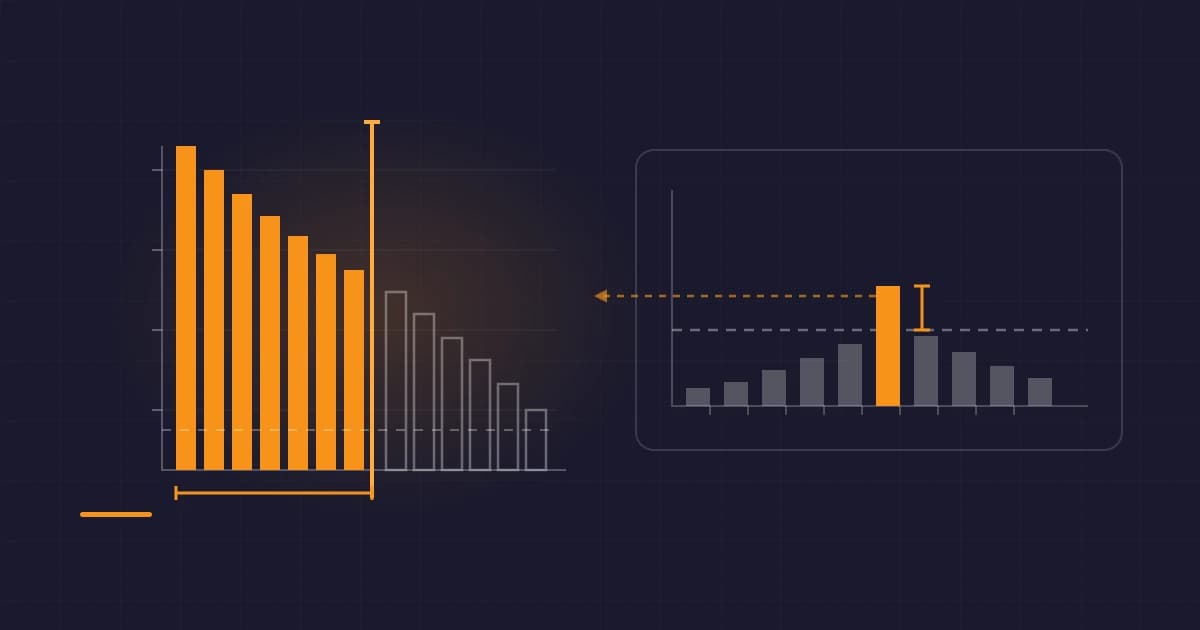
A block holds four million weight units and not one more. When more transactions want in than fit, miners do not serve them in the order they arrived. They take the ones paying most per unit of space. There is no queue, only an auction, and a transaction that is not confirming has not lost its place in a line: it has been outbid.
Binance's own account of its outage is the clearest statement of that anyone produced. Its withdrawals stalled, the exchange said, because "our set fees did not anticipate the recent surge" in fees. A fixed withdrawal fee is a standing bid, and a standing bid stops winning the moment the market moves. The fix was to bid again: pending transactions were "being processed by replacing them with higher transaction fees", which is replace-by-fee doing exactly the job it exists for.
Any wallet without that ability left its user stuck. A transaction broadcast at 10 sats per virtual byte on 1 May was not slow. It was a bid nobody had reason to accept.
What it does not change
No consensus rule changed and no software was updated. Blocks kept arriving at roughly ten minute intervals all week. There is no load-dependent behaviour here to degrade: a full block is the normal case the rules were written for.
High fees are also not congestion in the way a blocked road is congestion. Nothing queues behind anything. Each block clears at whatever price the top four million weight units will pay, and the rest wait for a cheaper block.
Coins in self-custody were untouched. Moving them cost more, which is a real cost and falls hardest on small amounts, but nothing about their ownership changed.
Context
Inscriptions shipped in January 2023 and put content in the witness, where the weight formula prices it at a quarter rate. BRC-20 was built on top, and minting is competitive by design: a token with fixed supply and first-come minting is a race the moment anyone wants it.
The fee market is older than any of this. Fees have decided who gets scarce block space from the beginning, and blocks have been full before, notably in December 2017 when one took more than 14 bitcoin. What is new is the source of the demand, not the mechanism pricing it.