Note, August 2026: the merchant directory that used to live on this site has moved to MappingBitcoin, which is where this guide sends you. It is also one of the projects we link from our projects page. That is the connection, stated here rather than left implied.
What you will end up with
A specific place you can walk into and pay in bitcoin, confirmed before you go rather than hoped for on arrival. Not a list of pins: one address, one payment method you know they take, and one person who told you so.
The confirmation step is the guide. Searching a map takes thirty seconds and anyone can do it. The reason people arrive at a café that stopped accepting bitcoin in 2022 is that they skipped the rest.
Before you start
- A wallet with a balance you can spend, and the ability to pay both on-chain and over Lightning if possible. Which one a merchant takes is the single most common surprise.
- A phone with the wallet on it. Paying in person from a desktop wallet at home is not a thing.
- A willingness to phone ahead. This is the prerequisite people skip, and it is the one that decides whether the trip works.
Checked on 20 August 2026 against MappingBitcoin's map, countries, categories and verified places pages, a per-country page and an individual place page, all of which loaded and returned results, and against btcmap.org, which did the same.
Where the listings live
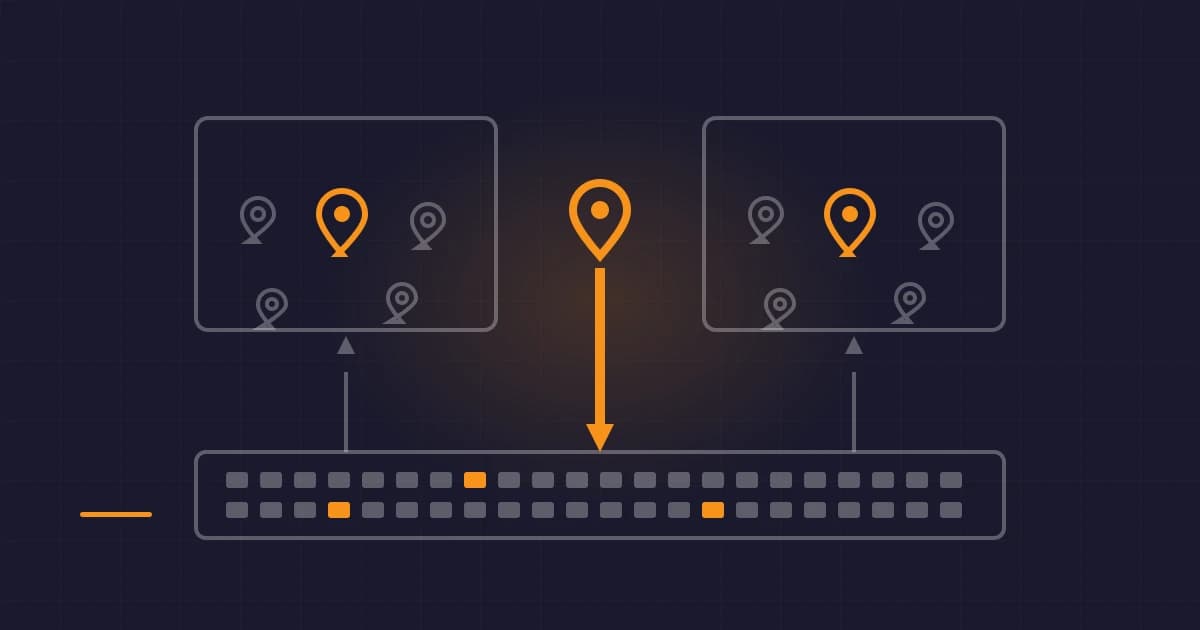
MappingBitcoin builds its listings from OpenStreetMap data, fills in country, region, city and a normalised address from the coordinates, sorts them into categories, and layers on verification through Nostr: an owner can prove a listing is theirs, and the weight of that proof comes from a web of trust rather than from a moderator's decision. On 20 August 2026 its statistics page reported 28,408 merchants across 155 countries, of which 29 were verified.
Four ways in, and they suit different questions:
- the map, when you know where you are going
- countries, which leads to a page per country in
the form
mappingbitcoin.com/bitcoin-shops-in-el-salvador - categories, when the question is "somewhere to eat" rather than a particular street
- verified places, which is the small subset an owner has proved is theirs
BTC Map is the long-running volunteer directory and it is still worth knowing about. It renders the same OpenStreetMap data more or less directly and publishes it through an open API, which makes it the better answer if what you want is the raw dataset rather than a place to eat tonight.
The important part is what they have in common. Both read the same OpenStreetMap records, so a business tagged correctly shows up in both, and a correction made at the source fixes both. That is also why arguing about which directory is better mostly misses the point.
The tradeoff you are accepting
A map entry is a claim by a stranger, not a guarantee. Nobody signs businesses up. A
listing exists because somebody added a tag to OpenStreetMap, currency:XBT=yes and usually
a method tag such as payment:lightning=yes, and the directories picked it up. That somebody
may have been the owner last week, or a tourist who visited once in 2021. Verification
narrows this, but on the numbers above it currently applies to about one listing in a
thousand.
The corollary matters just as much and gets stated less: absence from the map means almost nothing. A missing business is far more often a business nobody has tagged than a business that refuses bitcoin.
If you treat the map as a directory of confirmed facts, it will waste your time and embarrass you in front of a merchant who has no idea what you are asking for.
Steps
- Open MappingBitcoin and search the city or area you are in, or go straight to the page for the country you are in from the country index.
- Narrow by category, so you are looking at places you would actually go rather than every exchange office in the region.
- Open a listing and read the Payment Methods block. On-chain and Lightning are different things, and a café taking Lightning through a point-of-sale app may not want to wait for an on-chain confirmation.
- Work out how old the claim is, which the listing page will not tell you. It shows the
category, the address and the payment methods, and no date. If the age matters, find the
same place on openstreetmap.org and look for
check_date:currency:XBTorsurvey:dateon the record. Plenty of records carry one: of the 90 bitcoin-tagged records inside a Buenos Aires bounding box on 20 August 2026, 71 had a check date and 10 had a survey date. - Cross-check the same place in BTC Map. Agreement between two views of the same source is weak evidence, but a place listed in one and not the other is worth a second look.
- Find the business's own phone number or website, from the listing or from a search.
- Phone and ask whether they still take bitcoin, and which method. Ask for the owner or manager if the person answering does not know, because acceptance is frequently one owner's decision that was never communicated to staff.
- Go, and pay a small amount first if the bill will be large.
Verify it worked
- The payment confirms in your own wallet, not just on the merchant's terminal. On Lightning that is near instant; on-chain it means the transaction is broadcast and visible.
- The merchant agrees they received it. An unconfirmed on-chain payment at a till is an awkward conversation waiting to happen, so settle what "paid" means before you send.
- The listing was right. If it was not, that is data. Fix it at the source, which takes a few minutes.
If something goes wrong
Nobody at the counter knows what you are talking about. This is the ordinary case, not the exception. Ask for the owner. If they are not there, pay in the local currency and leave; arguing about a map entry with a member of staff is not a plan.
They take Lightning and you only have on-chain, or the reverse. This is why step 3 exists. Some wallets can do both; if yours cannot, that is worth fixing before the next trip.
The place has closed or moved. Every directory here inherits that from OpenStreetMap, which is a general-purpose map, so a closed business is usually fixed there first and propagates outward.
The listing was simply wrong. Correct it. A wrong listing costs the next person a wasted trip and costs the merchant an awkward conversation, and correcting one is a few minutes of work. The full procedure is in the guide to adding and maintaining a listing.
Why any of this matters
A currency that cannot be spent anywhere is a speculative asset with extra steps. Mapping where bitcoin is actually accepted is the unglamorous work that turns it into money, and more practically, it is what lets someone who just moved a small amount into self-custody go and use it for something. The places where that has worked at scale, such as El Zonte, got there through exactly this kind of ground-level record-keeping.
Related: how these maps get built from OpenStreetMap data.
Correction, 20 August 2026. This post used to present MappingBitcoin and BTC Map as two
equal starting points and told the reader to check a listing's last-verified date "if the
directory shows one". Neither held up. It now sends readers to MappingBitcoin first, with BTC
Map named for what it is still the better answer to, and step 4 has been rewritten because
MappingBitcoin's place pages do not display a date: the date lives on the OpenStreetMap
record and the post now says how to find it there. The venue count, previously given as more
than 28,000, has been replaced with the figure and date from MappingBitcoin's own statistics
page. The linked guide to adding a business moved from /learn/btc-map-org to
/learn/add-a-bitcoin-business.