What happened
On 16 December 2022 the Basel Committee on Banking Supervision published Prudential treatment of cryptoasset exposures, a new chapter, SCO60, of the consolidated Basel Framework. The Committee set an implementation date of 1 January 2025.
What it changes
It sets, for the first time, how much capital a bank must hold against a bitcoin position.
The standard sorts exposures into two groups. Group 1 covers tokenised traditional assets and stablecoins that satisfy a list of conditions about redemption and the issuer. Group 2 is everything else, split again into Group 2a, where the standard permits some recognition of hedging, and Group 2b, where it does not. The default runs against the bank: "A Group 2 cryptoasset must be classified as Group 2b, unless a bank demonstrates to the supervisor that the cryptoasset meets hedging recognition criteria." Bitcoin, unbacked and with no issuer, sits in Group 2b.
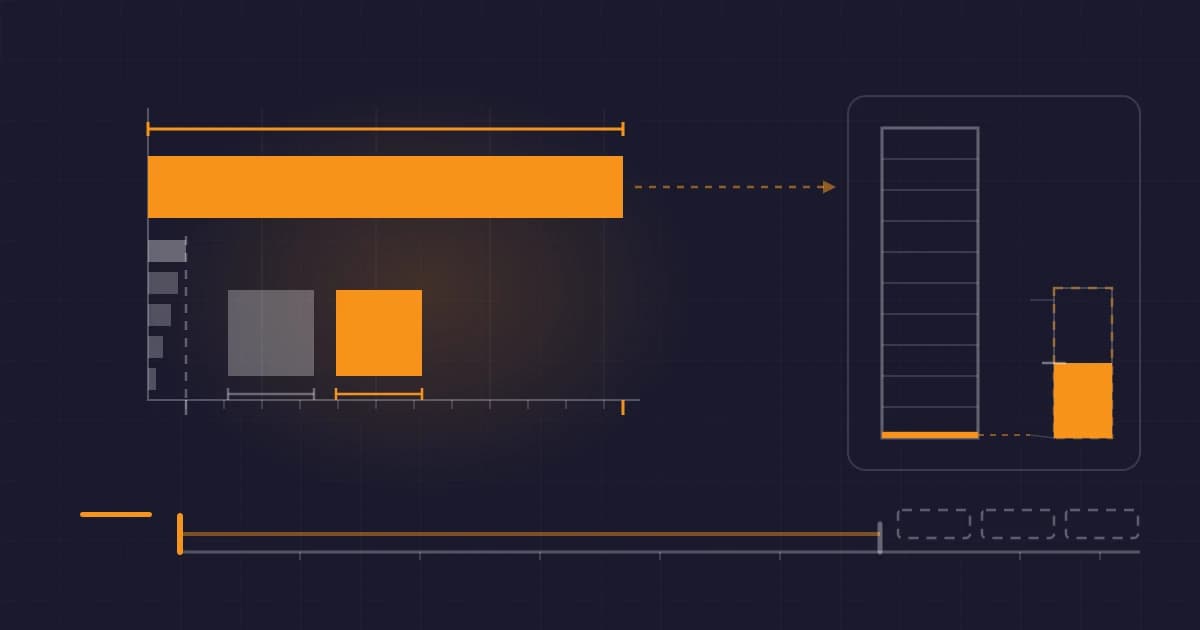
Then the number. For each Group 2b cryptoasset a bank must "apply a risk weight of 1250%" to the greater of its aggregate long or short position. The standard states what that risk weight accomplishes: it "will ensure that banks are required to hold minimum risk-based capital at least equal in value to their Group 2b cryptoasset exposures". The arithmetic is deliberate, since 1250 percent multiplied by the framework's 8 percent minimum capital ratio comes to 100 percent. A bank funds the position entirely out of its own capital, and there is no leverage available in it at all.
A second limit sits on top. Total Group 2 exposure "must not exceed 2% of the bank's Tier 1 capital and should generally be lower than 1%". Cross 1 percent and the Group 2b treatment applies to the excess. Cross 2 percent and it applies to the whole Group 2 book.
What it does not change
The Basel Committee has no legal authority over anyone. It publishes standards that member jurisdictions undertake to implement, and until a national supervisor writes them into its own rulebook they bind no bank anywhere. That is the mechanism worth carrying away: soft law with hard effects, arriving on different dates in different places, sometimes in altered form.
It says nothing about whether a person may own bitcoin. These are rules about loss-absorbing capital held by banks against exposures on their own balance sheets. Self-custody is outside the frame entirely, as is anyone who is not a bank.
And it does not prohibit the exposure. It prices it. A bank may hold bitcoin if it is willing to hold capital against it one for one, inside the Group 2 limit. Whether that is worth doing is a commercial question the standard does not answer.
Context
The Committee arrived here after two rounds of public consultation, the second in June 2022, and describes the final standard as unchanged in structure from that proposal.
The treatment is also less novel than the number suggests. A 1250 percent risk weight already exists in the Basel Framework as the fallback for exposures a bank cannot adequately assess or look through. What is new is not the weight. It is the decision that unbacked cryptoassets belong in the category the weight was built for.